
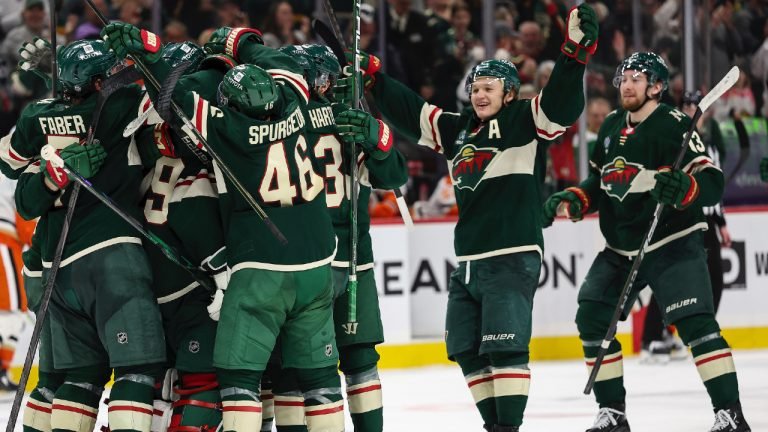

Introduction to the Minnesota Wild
The Minnesota Wild is a professional ice hockey team based in Saint Paul, Minnesota, United States. The team competes in the National Hockey League (NHL), one of the most popular professional ice hockey leagues in the world. Since entering the NHL in the 2000–01 season, the Minnesota Wild has developed a passionate fan base and become an important part of Minnesota’s sporting culture.
Known for its distinctive forest-themed identity, competitive hockey, and dedicated supporters, the Minnesota Wild represents a state where ice hockey has a particularly strong following. The franchise plays its home games at Grand Casino Arena in downtown Saint Paul, where thousands of fans gather to watch exciting NHL matchups throughout the season.
The team competes in the Western Conference’s Central Division and regularly faces challenging opponents, including the Colorado Avalanche, Dallas Stars, Winnipeg Jets, Chicago Blackhawks, and Nashville Predators.
Over the years, Minnesota has developed talented players, memorable rivalries, and exciting playoff moments. Players such as Kirill Kaprizov, Matt Boldy, and Joel Eriksson Ek have helped make the organization an interesting team to follow.
Whether someone is a longtime hockey supporter or a new fan learning about professional ice hockey, understanding the Minnesota Wild provides an excellent introduction to one of the NHL’s recognizable franchises.
This guide explores the team’s history, players, arena, coaching, playing style, schedule, rivalries, fan culture, and future ambitions.
What Is the Minnesota Wild?
The Minnesota Wild is an American professional ice hockey franchise that competes in the National Hockey League. The organization represents the state of Minnesota and is based in Saint Paul.
The franchise was established in 1997, but it did not begin playing NHL games until the 2000–01 season. Its arrival brought major-league professional hockey back to the Twin Cities after the departure of the Minnesota North Stars in 1993.
The team’s name reflects Minnesota’s natural environment, including forests, wildlife, rivers, and outdoor landscapes. Its logo combines several natural elements into a distinctive image that represents the state’s outdoor identity.
The Minnesota Wild competes in a demanding division where every season brings important games against established NHL organizations. Success requires a combination of talented forwards, reliable defensemen, strong goaltending, effective coaching, and consistent teamwork.
The franchise has built its identity around competitive hockey and strong community connections. Its supporters are known for their enthusiasm, and home games provide an exciting atmosphere for both local residents and visiting fans.
History of the Minnesota Wild
Understanding the Minnesota Wild requires looking at the history of professional hockey in Minnesota.
The Establishment of the Franchise
The National Hockey League awarded Minnesota an expansion franchise in 1997. This decision gave the state another opportunity to have a professional NHL team after the Minnesota North Stars relocated to Dallas in 1993.
The new organization spent several years preparing for its NHL debut. During this period, the franchise developed its identity, selected its name, and began building a roster capable of competing at the highest level.
The Minnesota Wild officially started playing in the 2000–01 NHL season.
The First NHL Season
The team’s first season was an important moment for Minnesota hockey supporters. Fans welcomed professional NHL hockey back to the region and quickly developed an emotional connection with the new franchise.
Although the team was still developing its identity, its early seasons provided a foundation for future success.
The organization focused on building a competitive roster and establishing a strong defensive structure. This approach helped the Wild become a difficult opponent for more experienced teams.
The First Playoff Appearance
One of the most memorable early periods came during the 2002–03 NHL season.
Minnesota qualified for the Stanley Cup Playoffs and produced an impressive postseason run. The Wild defeated the Colorado Avalanche in the first round and later eliminated the Vancouver Canucks.
The team eventually reached the Western Conference Final, where it faced the Anaheim Mighty Ducks.
Although Minnesota did not reach the Stanley Cup Final, the playoff performance established the franchise as a serious competitor and created lasting memories for its supporters.
Building a Competitive Identity
Following its early playoff success, the Minnesota Wild continued developing its organization.
The team experienced different periods of rebuilding, roster changes, coaching adjustments, and playoff qualification. Like many NHL franchises, Minnesota had to balance experienced players with younger talent.
The organization increasingly focused on developing skilled forwards, strengthening defensive depth, and improving its ability to compete against strong Central Division opponents.
The Modern Minnesota Wild Era
The modern era of the Minnesota Wild has featured talented players, exciting offensive performances, and growing expectations.
Kirill Kaprizov became one of the organization’s most recognizable stars after joining the NHL in 2020–21. His offensive creativity, skating ability, and goal-scoring skills helped transform the team’s attacking identity.
Other players, including Matt Boldy and Joel Eriksson Ek, have also become important parts of the franchise.
Minnesota continues working toward its ultimate goal of winning the Stanley Cup.
Where Does the Minnesota Wild Play?
The Minnesota Wild plays its home games at Grand Casino Arena in Saint Paul, Minnesota.
The arena is located in downtown Saint Paul and serves as one of the region’s major sports and entertainment venues.
Previously known as the Xcel Energy Center, the venue has hosted Minnesota Wild home games since the franchise’s inaugural season.
Grand Casino Arena
Grand Casino Arena provides the setting for NHL hockey, concerts, entertainment events, and other major activities.
The venue is designed to accommodate large crowds and provide spectators with views of the ice from different seating sections.
During Minnesota Wild games, the arena becomes an energetic environment filled with team colors, fan chants, music, and excitement.
Why the Arena Is Important
A home arena is more than a place where a hockey team plays its games. It is also a gathering place for supporters and an important part of a franchise’s identity.
Grand Casino Arena gives Minnesota fans an opportunity to experience professional hockey in person.
The atmosphere can become particularly exciting during important division games, rivalry matchups, and playoff contests.
Location and Visiting Information
Grand Casino Arena is located at 199 West Kellogg Boulevard, Saint Paul, Minnesota, United States.
Visitors attending a Minnesota Wild game should check official arena information for current parking arrangements, entry requirements, seating details, and event schedules.
Minnesota Wild Team Logo and Identity
The Minnesota Wild has one of the more distinctive visual identities in professional hockey.
Its logo features a stylized natural landscape that incorporates elements associated with Minnesota’s forests and wilderness.
The design includes a bear-like silhouette, a river, trees, and a star representing the North Star.
The logo communicates the organization’s connection to Minnesota’s natural environment.

Team Colors
The Minnesota Wild uses a combination of green, red, gold, and cream in its traditional branding.
These colors create a recognizable appearance across its uniforms, merchandise, promotional materials, and arena displays.
Team Uniforms
The franchise has used different home, away, and specialty jerseys throughout its history.
Traditional uniforms help maintain the team’s identity, while special designs allow the organization to celebrate Minnesota culture and connect with supporters in creative ways.
The Hometown Remix jersey is one recent example of the team’s special uniform promotions.
In November 2026, the organization even sent a signed Hometown Remix jersey to an altitude of 105,068 feet using a high-altitude balloon. The team described the stunt as a world record for the highest altitude reached by a hockey jersey.
Minnesota Wild Roster and Important Players
A successful NHL team depends on the quality and balance of its roster.
The Minnesota Wild has featured several talented players who contribute in different ways. Some provide offensive production, others specialize in defensive responsibilities, and goaltenders protect the net.
The following players are important names for fans researching the organization.
Kirill Kaprizov
Kirill Kaprizov is one of the most recognizable players in Minnesota Wild history.
The Russian forward joined the NHL in the 2020–21 season and quickly became an important offensive player.
Kaprizov is known for his skating, puck control, shooting accuracy, and ability to create scoring opportunities.
His offensive creativity makes him a constant threat against opposing defenses.
He can contribute through goals, assists, power-play opportunities, and individual offensive plays.
For Minnesota, Kaprizov represents an important part of its long-term competitive ambitions.
Matt Boldy
Matt Boldy is another major offensive contributor for the Minnesota Wild.
The American forward brings speed, technical ability, and goal-scoring potential to the team’s attacking lineup.
Boldy has demonstrated an ability to create opportunities in different situations. His combination of skating and shooting makes him a valuable player during even-strength and power-play situations.
His development is also important for Minnesota’s future because younger players can help maintain the team’s competitiveness over multiple seasons.
Joel Eriksson Ek
Joel Eriksson Ek is known for his two-way playing style.
A two-way forward contributes offensively while also taking responsibility for defensive assignments.
Eriksson Ek can help the team maintain puck possession, compete in difficult situations, and create opportunities around the opposing goal.
His versatility makes him an important part of Minnesota’s forward group.
Jared Spurgeon
Jared Spurgeon has been an important defenseman and leader for the Minnesota Wild.
Defensemen play a major role in preventing opponents from creating dangerous scoring chances.
Spurgeon contributes through defensive positioning, puck movement, experience, and leadership.
His ability to support both defensive and offensive plays has made him an important figure in the organization.
Jonas Brodin
Jonas Brodin is another important defenseman associated with the Minnesota Wild.
He is recognized for his defensive awareness, skating, and ability to manage difficult matchups.
A reliable defenseman can make a major difference during close games, especially when facing talented opposing forwards.
Brodin’s experience and defensive responsibilities contribute to Minnesota’s overall structure.
Marcus Foligno
Marcus Foligno is known for his physical playing style and competitive approach.
Physical forwards can create space, pressure opponents, protect teammates, and contribute energy during difficult games.
Foligno brings a different dimension to Minnesota’s forward group and can help establish a more aggressive style of play.
Jesper Wallstedt
Jesper Wallstedt is an important goaltending prospect and developing NHL player for Minnesota.
Goaltenders are essential to every successful hockey team because they prevent the opposition from scoring.
Wallstedt’s development is important as Minnesota continues building its future roster.
His performances can help determine the team’s depth and flexibility in the goaltending position.
Note: NHL rosters change because of trades, injuries, recalls, and other transactions. Fans should check the official Minnesota Wild roster for the latest lineup information.
Who Is the Coach of the Minnesota Wild?
Coaching is one of the most important elements of professional ice hockey.
An NHL coach is responsible for developing strategies, preparing players, managing line combinations, and making decisions during games.
John Hynes is the head coach of the Minnesota Wild.
He works with the coaching staff to develop the team’s overall playing approach and prepare the roster for different opponents.
The Importance of Coaching
A coach must understand the strengths and weaknesses of individual players.
For example, offensive players may receive responsibilities that allow them to create scoring opportunities, while defensive players focus on limiting dangerous chances.
Coaches also manage special teams, including power plays and penalty kills.
A successful coaching system requires communication, preparation, discipline, and the ability to make adjustments.
Player Development
Coaching also plays an important role in developing young NHL players.
Young forwards need opportunities to improve their shooting, passing, positioning, and decision-making.
Defensemen must develop their ability to read opposing attacks and make accurate passes under pressure.
Goaltenders require specialized training focused on positioning, reflexes, movement, and controlling rebounds.
The Minnesota Wild’s long-term success depends partly on how effectively its coaching staff develops the available talent.
Minnesota Wild in the NHL Central Division
The Minnesota Wild competes in the Central Division of the Western Conference.
The division includes several competitive NHL franchises.
These teams regularly face one another during the regular season, making divisional matchups especially important.
Central Division Opponents
Minnesota’s divisional opponents include:
- Colorado Avalanche
- Dallas Stars
- Winnipeg Jets
- Chicago Blackhawks
- Nashville Predators
- St. Louis Blues
- Utah Mammoth
These opponents bring different playing styles and competitive challenges.
Some teams rely on offensive creativity, while others focus on defensive structure, speed, or physical play.
Why Division Games Matter
Division games can have a significant effect on the NHL standings.
Teams compete for points that influence their playoff positions and overall conference rankings.
Winning important divisional matchups can help Minnesota improve its position and create a more favorable path toward the postseason.
These games also provide fans with some of the most exciting moments of the regular season.
Minnesota Wild Schedule and Regular Season
The NHL regular season gives teams many opportunities to compete against opponents from their own division and other conferences.
The Minnesota Wild’s 2026–27 regular season schedule includes 84 games, consisting of 42 home games and 42 away games.
The season began on October 1, 2026, with a road game against the Nashville Predators.
Minnesota’s schedule also includes important matchups against Western Conference opponents and teams from the Eastern Conference.
Home Games
Home games are played at Grand Casino Arena in Saint Paul.
These contests allow Minnesota supporters to watch their team in person and create an energetic atmosphere.
Weekend games can be particularly attractive for fans who want to attend with friends or family.
Away Games
Away games require Minnesota to travel to other NHL cities.
Road games can be challenging because teams must adjust to different arenas, crowds, travel schedules, and playing conditions.
Strong road performances are important for maintaining consistency throughout the season.
Important Schedule Periods
The 2026–27 schedule includes a particularly long seven-game homestand from December 12 through December 28.
A long homestand can provide an opportunity to build momentum without frequent long-distance travel.
Minnesota also has several challenging road periods during the season.
Fans should check the official NHL schedule because game dates and start times can change.
Minnesota Wild Performance in the 2026–27 Season
The 2026–27 NHL season has provided Minnesota with an encouraging start.
By November 18, the team had won four consecutive games and reached a record of 16-3-4.
Its victory over the Nashville Predators was particularly impressive, with Minnesota winning 7-3.
Matt Boldy scored twice and added an assist, while Joel Eriksson Ek recorded one goal and three assists.
Kirill Kaprizov also contributed three assists.
The team had collected points in 12 consecutive games at that stage.
On November 22, Minnesota extended its point streak to 14 games after a 4-3 shootout loss against the Vancouver Canucks.
Although the Wild did not win that particular game, earning a point in a shootout defeat helped extend its impressive run.
These results demonstrate the importance of consistency, offensive production, and the ability to collect points in difficult matchups.
However, an NHL season is long, and performance can change because of injuries, schedule difficulty, roster adjustments, and competition.
Fans should always consult current standings for the latest results.
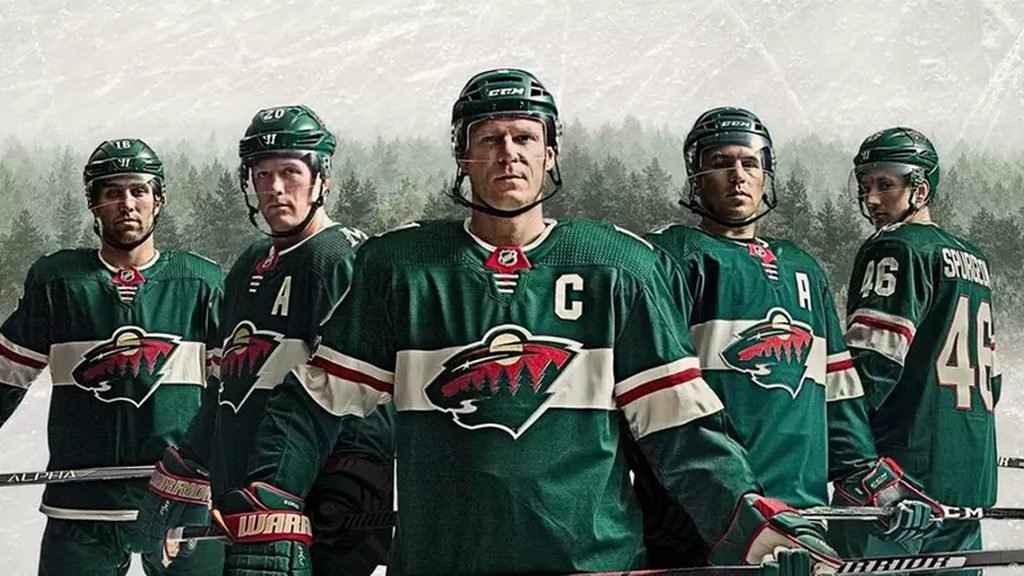
What Makes the Minnesota Wild a Competitive Team?
Several factors contribute to the Minnesota Wild’s competitive identity.
Offensive Creativity
A team needs players who can create scoring opportunities.
Minnesota has talented forwards capable of using speed, shooting, and puck control to challenge opposing defenses.
Players such as Kaprizov and Boldy can make important offensive contributions.
Defensive Structure
Good defense is essential in professional hockey.
Defensemen must protect dangerous areas, block shots, clear rebounds, and help goaltenders manage opposing attacks.
A strong defensive system can reduce the number of high-quality chances given to opponents.
Goaltending
Goaltending can determine the outcome of close games.
An effective goaltender must react quickly, maintain good positioning, and control rebounds.
The Minnesota Wild needs reliable performances from its goaltending group throughout the season.
Teamwork
Hockey is a team sport.
Even the most talented individual player cannot win consistently without support from teammates.
Successful teams communicate effectively, understand their responsibilities, and work together during offensive and defensive situations.
Coaching and Preparation
Preparation helps players understand how to compete against different opponents.
Coaching decisions involving line combinations, defensive pairings, special teams, and in-game adjustments can influence results.
Minnesota Wild Rivalries
Rivalries are an important part of professional sports.
The Minnesota Wild has developed competitive relationships with several NHL teams, especially those located within the Central Division.
Minnesota Wild vs Colorado Avalanche
The Colorado Avalanche is one of Minnesota’s major divisional opponents.
Games between these organizations often attract attention because both teams compete in the Western Conference.
The rivalry has produced memorable regular-season and playoff matchups.
Minnesota Wild vs Dallas Stars
The Dallas Stars are another important opponent.
The history of professional hockey in Minnesota makes games against Dallas particularly interesting because the Stars franchise previously represented Minnesota as the North Stars.
This connection adds historical significance to matchups between the two organizations.
Minnesota Wild vs Chicago Blackhawks
The Chicago Blackhawks and Minnesota Wild represent neighboring Midwestern hockey markets.
Games between the teams can attract strong regional interest.
Both organizations have established fan bases and long histories within professional hockey.
Minnesota Wild vs Winnipeg Jets
The Winnipeg Jets are another Central Division opponent.
These matchups are important for divisional standings and can create exciting hockey throughout the season.
Minnesota Wild vs Nashville Predators
The Nashville Predators provide another competitive challenge.
Both teams regularly compete for important Western Conference points.
These games can influence the division standings and the race for playoff qualification.
Minnesota Wild Playoff History
The Stanley Cup Playoffs represent the ultimate objective for NHL teams.
The postseason brings together the best-performing teams from the regular season and creates a series of elimination rounds.
Minnesota has experienced several memorable playoff appearances.
Its 2002–03 run remains particularly important because the franchise reached the Western Conference Final during its early years.
The team defeated established opponents and demonstrated that it could compete at a high level.
Other postseason appearances have provided valuable experience for the organization and its players.
How NHL Playoffs Work
The NHL uses a playoff format that includes 16 qualifying teams.
Teams compete in best-of-seven series, meaning a team must win four games to advance.
The playoffs feature the first round, second round, conference finals, and Stanley Cup Final.
Winning the Stanley Cup requires consistent performance against several strong opponents.
Minnesota’s Championship Ambition
Like every NHL franchise, Minnesota wants to win the Stanley Cup.
The organization must continue developing talent, maintaining roster depth, improving special teams, and performing consistently during important games.
A successful regular season can create an opportunity, but playoff success requires a higher level of execution.
Minnesota Wild Playing Style
Professional hockey involves a combination of speed, physical strength, positioning, technical skill, and teamwork.
The Minnesota Wild uses different tactical approaches depending on its opponent and available players.
Offensive Strategy
Offensive hockey focuses on creating scoring chances and controlling possession.
Players use passing, skating, shooting, and positioning to move the puck into dangerous areas.
A successful attack requires forwards and defensemen to work together.
Defensive Strategy
Defensive hockey focuses on preventing the opposition from creating scoring opportunities.
Players must maintain their positions, challenge puck carriers, block passing lanes, and protect the area around their own net.
Power Play
A power play occurs when one team has a numerical advantage because an opposing player has received a penalty.
Power-play opportunities are important because they provide a chance to score with an additional skater.
Minnesota needs effective puck movement and accurate shooting to take advantage of these situations.
Penalty Kill
A penalty kill occurs when a team has fewer players on the ice because of a penalty.
Players must work together to prevent the opponent from scoring.
Strong penalty killing requires discipline, positioning, communication, and goaltending.
Minnesota Wild Fan Base and Supporters
The Minnesota Wild has a passionate fan base.
Minnesota has a strong connection to ice hockey, with the sport playing an important role in schools, communities, youth programs, and professional entertainment.
Wild supporters come from Saint Paul, Minneapolis, surrounding communities, and other parts of the United States.
Game-Day Atmosphere
Home games at Grand Casino Arena provide an opportunity for fans to support the team in person.
Supporters wear team jerseys, display merchandise, cheer during important plays, and celebrate goals.
The atmosphere becomes especially exciting during rivalry games and important playoff contests.
Family Entertainment
Professional hockey games can also provide entertainment for families.
Fans can experience live sports, arena activities, team merchandise, and special promotional events.
Visitors should check the arena’s current policies before attending.
Community Connection
Professional sports teams can play an important role in their local communities.
The Minnesota Wild has used community programs, charitable activities, and youth hockey initiatives to connect with supporters.
The Minnesota Wild Foundation is one organization associated with the team’s community involvement.
Minnesota Wild Merchandise and Jerseys
Team merchandise allows supporters to demonstrate their connection with the organization.
Popular Minnesota Wild merchandise includes:
- Home and away jerseys
- Specialty hockey jerseys
- Team caps
- Hoodies and sweatshirts
- T-shirts
- Scarves
- Collectible merchandise
- Hockey accessories
Official Jerseys
Minnesota Wild jerseys feature the team’s traditional colors and logo.
Supporters can choose jerseys associated with current players or purchase general team merchandise.
Special editions can also become popular among collectors.
Hometown Remix Jerseys
Special uniforms allow NHL teams to celebrate local culture and connect with fans.
The Minnesota Wild’s Hometown Remix jerseys are a recent example.
In November 2026, the organization created additional attention around the design by sending a signed jersey into the upper atmosphere.
According to NHL.com, the jersey reached 105,068 feet and will be displayed at Grand Casino Arena during the season.
Where to Buy Minnesota Wild Merchandise
Fans interested in official merchandise can explore the Minnesota Wild’s official online store and authorized NHL retailers.
Before purchasing, buyers should check product descriptions, sizing information, shipping arrangements, and authenticity.
How to Watch Minnesota Wild Games
Fans can follow the Minnesota Wild through different viewing options.
Available broadcasts depend on the viewer’s location, the specific game, and current broadcasting agreements.
Television Broadcasts
Regional and national television networks may broadcast Minnesota Wild games.
Some games are available through national sports networks, while others are carried through regional broadcasting arrangements.
Online Streaming
Streaming platforms can provide access to selected NHL games.
Availability depends on geographic restrictions and subscription requirements.
Fans should check official NHL broadcasting information before purchasing a subscription.
Live Scores and Game Updates
Supporters who cannot watch a complete game can follow live scores, statistics, and match summaries.
The official NHL website and Minnesota Wild website provide game information, team news, and video highlights.
Following Minnesota Wild on Social Media
Social media platforms provide another way to follow the organization.
The team’s official accounts share game highlights, interviews, announcements, promotional content, and community updates.
These channels can help fans stay connected throughout the season.
How to Buy Minnesota Wild Tickets
Attending a live NHL game is an exciting experience for hockey supporters.
Fans interested in watching Minnesota at Grand Casino Arena should use official ticketing channels.
Official Ticket Sources
The Minnesota Wild’s official website provides access to ticket information and links to authorized ticketing services.
Supporters should confirm that they are purchasing from a legitimate source.
Choosing the Right Seats
Different seating sections provide different viewing experiences.
Some supporters prefer seats closer to the ice, while others choose higher sections for a wider view of the game.
Ticket prices may vary according to the opponent, game date, seating location, and demand.
Planning a Game-Day Visit
Visitors should consider transportation, parking, arrival times, arena entry requirements, and event policies.
Checking these details before leaving can make the experience more convenient.
Minnesota Wild and Youth Hockey Development
Youth hockey is an important part of Minnesota’s sporting culture.
Many young players begin learning the sport through local programs, school teams, community organizations, and recreational leagues.
Professional organizations can encourage participation by supporting hockey-related community initiatives.
The Minnesota Wild’s connection to the region gives it an opportunity to inspire younger generations.
Why Youth Hockey Matters
Youth hockey helps children develop physical skills, discipline, communication, teamwork, and confidence.
It also creates opportunities for young athletes to participate in organized sports.
Developing Future Players
Developing professional hockey players requires years of practice and structured coaching.
Young athletes work on skating, puck control, passing, shooting, and understanding game situations.
The NHL also provides development opportunities through junior hockey, college hockey, and professional development leagues.
Minnesota Wild and the Future of the Franchise
The future of the Minnesota Wild depends on its ability to remain competitive while developing its roster.
The NHL is highly competitive, and organizations must continuously evaluate their players, coaching systems, and long-term plans.
Minnesota has several important areas to focus on.
Developing Young Talent
Young players can provide energy and long-term value.
The organization must continue evaluating prospects and creating opportunities for talented players to develop.
Maintaining Star Players
Elite players can make a major difference in professional hockey.
Keeping important players healthy, productive, and supported by a balanced roster is essential.
Improving Defensive Depth
Defensive consistency is important during the regular season and especially during the playoffs.
The Wild needs dependable defensemen who can manage different opponents and difficult situations.
Building Goaltending Depth
A strong goaltending group gives a team more flexibility during a long NHL season.
Injuries and changes in performance can make depth especially important.
Competing for the Stanley Cup
The ultimate goal remains winning the Stanley Cup.
To reach that level, Minnesota must combine offensive production, defensive reliability, goaltending, coaching, and team chemistry.
Its long-term progress will depend on how effectively the organization manages these areas.
Interesting Facts About the Minnesota Wild
Here are several interesting facts about the franchise.
- The Minnesota Wild was established in 1997.
- The franchise began playing in the NHL during the 2000–01 season.
- The team represents Saint Paul and the wider Minnesota region.
- Minnesota competes in the Western Conference’s Central Division.
- Grand Casino Arena is the team’s home venue.
- The franchise’s logo reflects Minnesota’s natural environment.
- The team’s colors include green, red, gold, and cream.
- Minnesota reached the Western Conference Final during the 2002–03 season.
- Kirill Kaprizov is one of the team’s most recognizable offensive stars.
- Matt Boldy is another important offensive contributor.
- Joel Eriksson Ek is known for his two-way playing ability.
- The Minnesota Wild Foundation supports community initiatives.
- The team plays divisional games against several nearby NHL organizations.
- The 2026–27 regular season schedule includes 84 games.
- The organization has introduced specialty jerseys to celebrate Minnesota culture.
Why Is the Minnesota Wild Popular?
The Minnesota Wild is popular for several reasons.
First, the state of Minnesota has a strong hockey tradition. Ice hockey is an important part of local sports culture, and many residents follow the professional game.
Second, the franchise has developed a recognizable identity through its logo, uniforms, players, and community involvement.
Third, the team has attracted talented players who make games entertaining to watch.
Finally, the organization provides fans with a shared sporting experience.
From regular-season games to playoff appearances, the Minnesota Wild continues to represent professional hockey in Minnesota.
Minnesota Wild: A Team Worth Following
The Minnesota Wild has developed into an established NHL organization since its introduction in 2000–01.
Its history includes memorable playoff performances, talented players, important rivalries, and a passionate fan base.
The organization continues competing in the Central Division while working toward its long-term ambition of winning the Stanley Cup.
For hockey supporters, following Minnesota means keeping up with its players, results, roster developments, schedule, and performances throughout the season.
Whether someone watches games at Grand Casino Arena, follows live scores online, or supports the team from another country, the Minnesota Wild offers plenty of reasons to stay connected with NHL hockey.
Conclusion
The Minnesota Wild is an important part of professional ice hockey in the United States. Based in Saint Paul, Minnesota, the franchise has built a recognizable identity through its history, players, competitive performances, and connection with local supporters.
From its establishment in 1997 to its NHL debut in 2000–01, the organization has experienced several important milestones. Its memorable 2002–03 playoff run helped establish its place in the league, while modern players such as Kirill Kaprizov, Matt Boldy, and Joel Eriksson Ek continue shaping its competitive future.
The team’s home venue, Grand Casino Arena, remains an important gathering place for Minnesota hockey fans.
As the 2026–27 NHL season continues, supporters will be watching the team’s performance, player development, divisional competition, and progress toward the Stanley Cup Playoffs.
For anyone interested in NHL hockey, the Minnesota Wild is a team worth following.

Frequently Asked Questions About Minnesota Wild
1. What is the Minnesota Wild?
The Minnesota Wild is a professional ice hockey team based in Saint Paul, Minnesota. It competes in the National Hockey League’s Western Conference Central Division.
2. When was the Minnesota Wild founded?
The Minnesota Wild franchise was established in 1997 and began playing NHL games during the 2000–01 season.
3. Where does the Minnesota Wild play its home games?
The Minnesota Wild plays its home games at Grand Casino Arena in Saint Paul, Minnesota, United States.
4. Who is the most famous Minnesota Wild player?
Kirill Kaprizov is one of the franchise’s most recognizable players. He is known for his offensive skills, skating, and goal-scoring ability.
5. Who coaches the Minnesota Wild?
John Hynes is the head coach of the Minnesota Wild.
6. What division does the Minnesota Wild play in?
The Minnesota Wild competes in the Central Division of the NHL’s Western Conference.
7. Has the Minnesota Wild won the Stanley Cup?
The Minnesota Wild has not won the Stanley Cup. Its best postseason run came in 2002–03 when it reached the Western Conference Final.
8. What are the Minnesota Wild team colors?
The team’s traditional colors include green, red, gold, and cream.
9. What is the Minnesota Wild logo?
The Minnesota Wild logo features a stylized wilderness scene with natural elements, including trees, a river, a star, and a bear-like silhouette.
10. How many games does the Minnesota Wild play in the 2026–27 season?
The Minnesota Wild’s 2026–27 regular season schedule consists of 84 games, including 42 home games and 42 road games.
11. Who are the Minnesota Wild’s main players?
Important players include Kirill Kaprizov, Matt Boldy, Joel Eriksson Ek, Jared Spurgeon, Jonas Brodin, and other members of the team’s current roster.
12. How can I watch Minnesota Wild games?
Fans can watch selected games through authorized television broadcasters and streaming services. Availability depends on location and broadcasting rights.
13. How can I buy Minnesota Wild tickets?
Fans can visit the official Minnesota Wild website and follow its ticketing links to find available home-game tickets.
14. Who are the Minnesota Wild’s biggest rivals?
Important divisional opponents include the Colorado Avalanche, Dallas Stars, Chicago Blackhawks, Winnipeg Jets, and Nashville Predators.
15. What is the Minnesota Wild’s official website?
The official website is https://www.nhl.com/wild/, where fans can find team news, schedules, player information, ticket details, and game updates.
16. Why is the Minnesota Wild important to Minnesota?
The team represents a state with a strong ice hockey tradition. It provides professional sports entertainment and connects with local supporters through games and community programs.
17. What conference does the Minnesota Wild belong to?
The Minnesota Wild belongs to the Western Conference of the National Hockey League.
18. What is the Minnesota Wild’s home arena called?
The team’s home arena is called Grand Casino Arena, located in downtown Saint Paul, Minnesota.
19. What is the Minnesota Wild Foundation?
The Minnesota Wild Foundation is associated with the team and supports charitable and community-focused initiatives.
20. What is the Minnesota Wild’s main goal?
Like other NHL franchises, the Minnesota Wild aims to compete for the Stanley Cup and establish itself as one of the league’s top teams.