
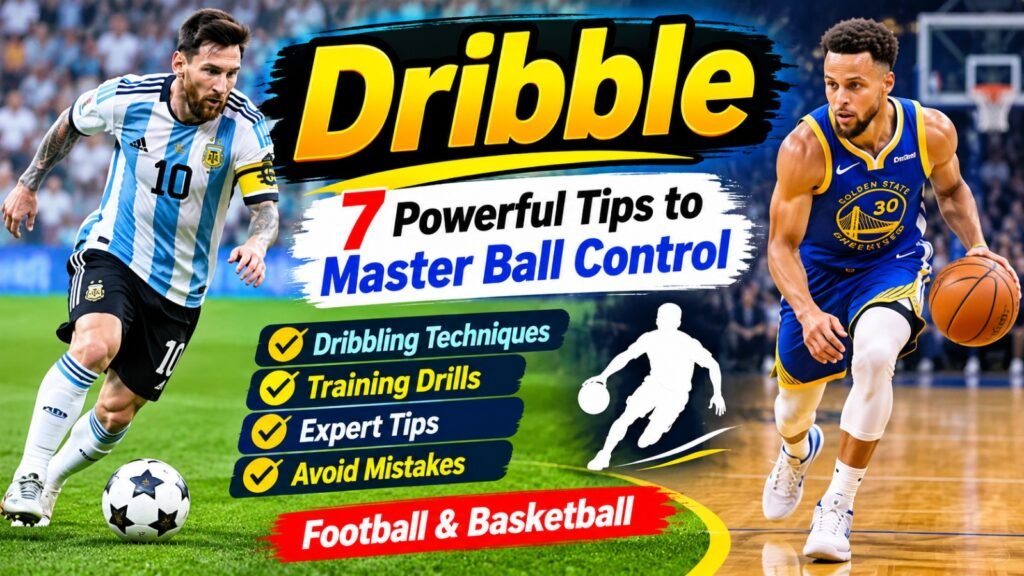

Dribble is an important skill in sports that allows players to move a ball while maintaining control. It is widely used in football, basketball, hockey, and other ball-based games. Whether a player is moving past an opponent, creating space, advancing toward a goal, or maintaining possession, dribbling plays an essential role in athletic performance.
Learning how to dribble effectively requires more than speed or fancy footwork. Players must develop coordination, balance, awareness, timing, and the ability to make quick decisions under pressure dribble.
For beginners, dribbling may appear simple, but mastering the skill takes consistent practice and a strong understanding of the fundamentals. Experienced players use different dribbling techniques depending on their position, the situation, and the movements of opposing players.
This complete guide explains what dribble means, how dribbling works in football and basketball, the most important techniques, beginner-friendly drills, common mistakes, and practical ways to improve ball control dribble.
What Is Dribble?
Dribble refers to the action of moving a ball through repeated controlled touches while maintaining possession.
In football, players dribble by using their feet to move the ball along the ground. In basketball, players dribble by repeatedly bouncing the ball against the court with one hand.
The main objective is to maintain control while moving into a better position dribble.
Dribbling allows players to:
- Move the ball into open space
- Avoid opposing players
- Maintain possession
- Create scoring opportunities
- Improve attacking movement
- Support teammates
- Change direction quickly
- Control the pace of the game
A successful dribble requires coordination between the player’s body movements and the ball.
What Does Dribble Mean in Sports?
The meaning of dribble changes slightly depending on the sport dribble.
In football, dribbling means moving the ball with repeated controlled touches using the feet.
In basketball, dribbling means bouncing the ball continuously with one hand while moving around the court dribble .
In hockey, players use a stick to control and move the puck.
Although the techniques differ, the fundamental purpose remains similar: maintaining control while advancing the ball or puck.
Dribbling in Football
Dribbling in football is the ability to move the ball with controlled touches while running, changing direction, or avoiding defenders.
It is one of the fundamental attacking skills because it allows players to move into space and create opportunities.
According to England Football Learning, dribbling helps players move into space, change direction, avoid opponents, and maintain possession dribble.
How Football Dribbling Works
Football players use different parts of their feet to control the ball.
The inside of the foot is commonly used for controlled movement and passing-like touches. The outside of the foot helps players change direction and move quickly. The instep can be used to push the ball forward when accelerating.
A player should keep the ball close enough to control it while maintaining awareness of the field dribble.
Close Ball Control
Close ball control means keeping the football within a manageable distance while moving dribble .
This technique is especially useful when:
- An opponent is nearby
- Space is limited
- A player is moving through a crowded area
- Quick direction changes are necessary
- A player needs to protect possession
Close control allows players to react quickly without losing the ball dribble.
Speed Dribbling
Speed dribbling involves moving the ball forward while running at a higher pace dribble.
It is useful when a player has open space ahead and wants to advance quickly dribble.
During speed dribbling, players can push the ball slightly farther forward than they would during close control.
However, the ball should remain within a distance that allows the player to reach it before an opponent.
Dribbling Past Defenders
Dribbling past defenders requires a combination of ball control, timing, body movement, and awareness.
Players often use changes in direction or speed to make defenders react dribble.
A player might move slightly toward one side before quickly changing direction and accelerating into the available space dribble.
The goal is not simply to perform a complicated trick. The goal is to create an advantage and maintain possession.
Dribbling in Basketball
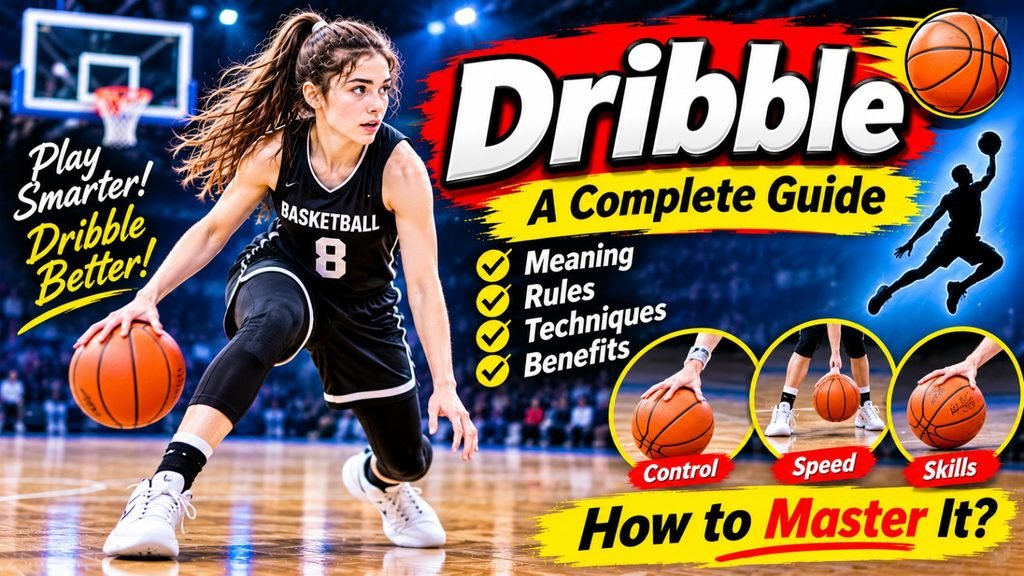
Basketball dribbling is the skill of continuously bouncing the ball against the floor using one hand while maintaining control dribble.
It allows players to move around the court, advance the ball, create space, and prepare for passing or shooting.
Dribbling is particularly important for guards and other players who frequently handle the ball dribble.
Basic Basketball Dribbling Technique
A good basketball dribble starts with a balanced body position dribble.
Players should bend their knees slightly, keep their head up, and use their fingertips to control the ball.
The ball should not bounce unnecessarily high because a lower dribble generally provides better control and makes it harder for defenders to steal the ball dribble.
The Jr. NBA recommends keeping the head up, using the fingertips, and protecting the ball with the body while dribbling.
Stationary Dribbling
Stationary dribbling involves bouncing the ball while remaining in one position dribble.
It helps beginners develop:
- Hand control
- Rhythm
- Coordination
- Confidence
- Control with both hands
Players can begin with their dominant hand and gradually practice with the weaker hand dribble.
Moving Dribbling
Moving dribbling involves controlling the ball while walking, jogging, or running dribble.
Players must coordinate their movement with the ball and maintain awareness of teammates and defenders.
This skill is important for advancing the ball and creating attacking opportunities dribble.
Protecting the Basketball
Players should use their body to protect the ball from defenders dribble.
When a defender approaches, a player can position their body between dribble the opponent and the ball while maintaining a controlled dribble.
The non-dribbling arm may help maintain space, but players must avoid illegal pushing or holding.
Why Is Dribbling Important?
Dribbling provides several benefits in football and basketball.
1. Maintaining Possession
Dribbling helps players retain control of the ball while moving.
Instead of immediately passing, a player may use dribbling to keep possession until a better opportunity appears.
2. Creating Space
A successful dribble can move a defender away from their original position.
This may create space for the player or open opportunities for teammates.
3. Improving Attacking Movement
Dribbling allows players to move into attacking positions.
Football players can advance toward the goal, while basketball players can move toward the basket or create space for a shot.
4. Beating Defenders
Dribbling helps players overcome defensive pressure through controlled movement and changes in direction.
5. Developing Coordination
Regular dribbling practice improves coordination between the eyes, hands, feet, and body.
6. Supporting Team Play
Although dribbling is an individual skill, it can contribute to team performance.
A player who attracts defenders through dribbling may create passing opportunities for teammates.
7. Improving Confidence
Consistent practice helps players become more comfortable controlling the ball under pressure.
Confidence can improve decision-making and overall performance.
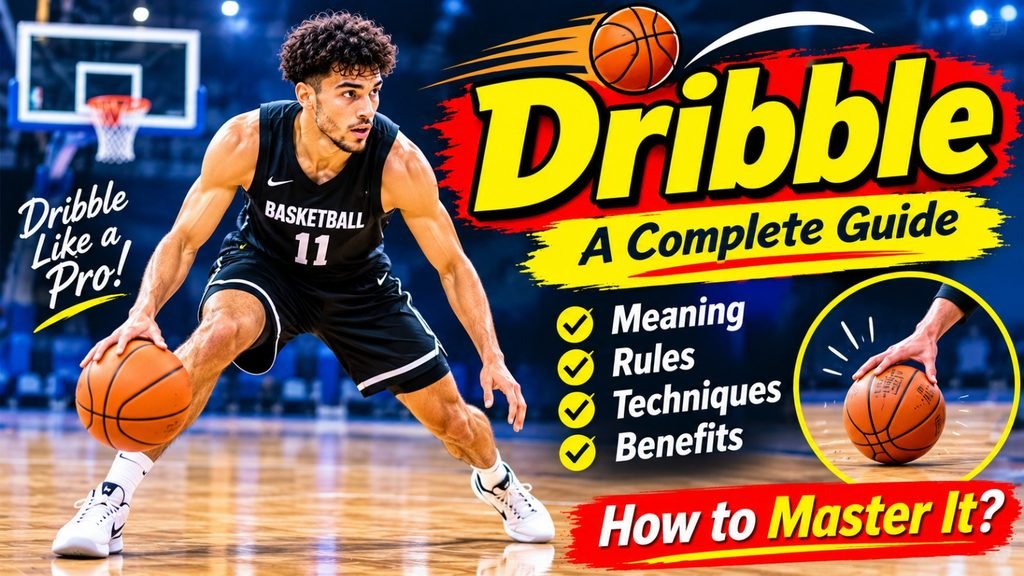
Types of Dribbling Techniques
Different dribbling techniques serve different purposes.
Players should learn the fundamentals before attempting advanced moves.
1. Basic Dribble
The basic dribble focuses on maintaining control while moving.
Football players use short, controlled touches with their feet.
Basketball players use a controlled bounce with their fingertips.
This is the foundation of more advanced techniques.
2. Speed Dribble
Speed dribbling is used when a player has space and wants to move quickly.
In football, the player pushes the ball forward and accelerates.
In basketball, the player uses a running motion while maintaining a controlled bounce.
3. Crossover Dribble
The crossover is a common basketball technique used to change the direction of movement.
The player moves the ball from one hand to the other while shifting their body in the opposite direction.
A well-timed crossover can help create separation from a defender.
4. Between-the-Legs Dribble
This basketball technique involves bouncing the ball between the legs from one hand to the other.
It can help protect the ball while changing direction.
Players should practice slowly before attempting the move at full speed.
5. Behind-the-Back Dribble
The behind-the-back dribble involves moving the basketball behind the body from one hand to the other.
It can help protect the ball from a defender positioned in front.
6. Hesitation Dribble
A hesitation dribble involves briefly slowing down or changing body rhythm before accelerating.
The technique can encourage a defender to react early, creating an opportunity to move past them.
7. Retreat Dribble
A retreat dribble involves moving backward or away from defensive pressure while maintaining control.
It is useful when a player needs to create space, reset an attacking position, or avoid losing possession.
8. Inside-Foot Dribble
In football, the inside of the foot provides a controlled surface for moving the ball.
This technique is useful for short touches, direction changes, and close control.
9. Outside-Foot Dribble
The outside of the foot can help players move the ball while running and change direction quickly.
It is particularly useful when a player wants to maintain forward movement without making a large body adjustment.
10. Step-Over
A step-over is a football skill in which a player moves one foot around the ball to create a deceptive movement.
The purpose is to influence the defender’s reaction before moving in another direction.
11. Body Feint
A body feint involves shifting the upper body or shoulders to suggest movement in one direction before moving the ball in another.
It can be effective because defenders often react to body movement.
12. Change-of-Pace Dribble
A change-of-pace dribble involves varying the speed of movement.
A player may slow down briefly before accelerating into open space.
This technique can be more effective than maintaining the same speed throughout an attacking movement.
How to Dribble a Football
Learning how to dribble a football begins with mastering basic ball control.
Step 1: Develop a Balanced Position
Stand with your knees slightly bent and your body balanced.
Keep your head up whenever possible so you can observe the field.
Step 2: Use Short Touches
Begin by moving the ball slowly with short touches.
Avoid pushing the ball too far away from your body.
Step 3: Practice Both Feet
Practice controlling the ball with your right and left feet.
Developing both feet makes it easier to change direction and respond to defenders.
Step 4: Use Different Parts of Your Feet
Practice using:
- Inside of the foot
- Outside of the foot
- Instep
Each surface provides different advantages depending on the situation.
Step 5: Move Through Cones
Place several cones in a straight line.
Dribble between them using controlled touches.
Gradually increase your speed while maintaining accuracy.
Step 6: Add Direction Changes
Once you are comfortable with straight-line dribbling, practice turning around cones.
Use both feet and different angles.
Step 7: Practice Under Pressure
Work with a teammate who provides light defensive pressure.
Focus on maintaining possession rather than performing complicated tricks.
Step 8: Combine Dribbling With Passing
After completing a dribble, pass the ball to a teammate.
This helps develop decision-making and makes training more realistic.
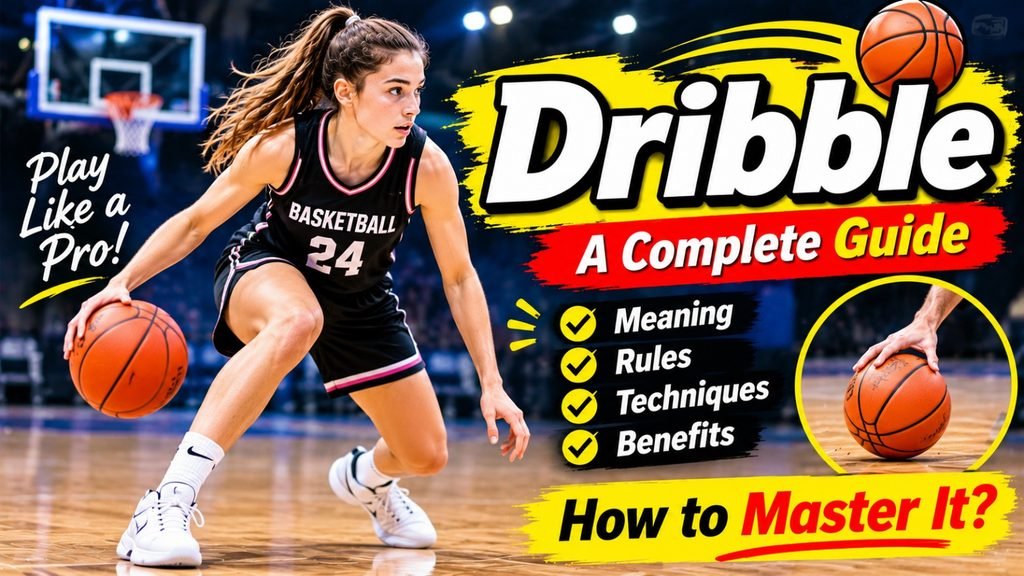
How to Dribble a Basketball
Basketball dribbling requires hand control, balance, and coordination.
Step 1: Bend Your Knees
Begin in an athletic stance with slightly bent knees.
Keep your body balanced and ready to move.
Step 2: Use Your Fingertips
Control the ball with your fingertips rather than slapping it with your palm.
This allows better control over the direction and rhythm of the bounce.
Step 3: Keep Your Head Up
Avoid constantly looking at the basketball.
Practice observing your surroundings while maintaining control.
Step 4: Practice With Both Hands
Start with your dominant hand, then practice with your weaker hand.
Developing both hands is important for changing direction and protecting the ball.
Step 5: Control the Height
Practice low dribbling for protection and higher controlled dribbling when moving into open space.
Step 6: Practice Moving Forward
Begin walking while dribbling.
Gradually increase your pace as your control improves.
Step 7: Add Defensive Awareness
Practice changing direction and protecting the ball when a teammate acts as a defender.
Best Dribbling Drills for Beginners
Dribbling drills help players develop control, coordination, and confidence.
Football Dribbling Drills
Cone Dribbling
Place five to ten cones in a straight line.
Move through the cones using short touches.
Focus on keeping the ball close and using both feet.
Figure-Eight Dribbling
Place two cones a short distance apart.
Dribble around them in a figure-eight pattern.
This exercise improves coordination and direction changes.
Inside-and-Outside Touches
Move the ball using alternating inside and outside touches.
This helps develop foot control and balance.
Acceleration Dribbling
Dribble slowly for a short distance, then accelerate into open space.
Repeat the movement while maintaining control.
Weak-Foot Dribbling
Practice dribbling using only your weaker foot.
This helps develop balanced control and improves confidence.
Basketball Dribbling Drills
Stationary Right-Hand Dribble
Bounce the ball with your right hand for a set period.
Focus on rhythm and control.
Stationary Left-Hand Dribble
Repeat the exercise with your left hand.
Alternating-Hand Dribble
Switch the ball between your hands while remaining stationary.
Crossover Practice
Practice moving the ball from one hand to the other.
Start slowly and focus on control.
Cone Dribbling
Place cones along the court and dribble around them.
Practice changing direction while maintaining awareness.
Speed Dribbling
Move across the court while maintaining a controlled dribble.
Focus on balance and coordination rather than maximum speed.
Common Dribbling Mistakes
Many beginners develop habits that make dribbling less effective.
1. Looking Down at the Ball
Constantly looking at the ball reduces awareness of opponents and teammates.
Practice keeping your head up while maintaining control.
2. Using Only One Foot or Hand
Depending entirely on the dominant side makes movement predictable.
Practice using both sides.
3. Pushing the Ball Too Far Away
A ball that moves too far from the player may become easier for an opponent to intercept.
Use controlled touches and appropriate spacing.
4. Dribbling Without a Purpose
Dribbling should support a tactical objective.
Players should consider whether moving the ball creates space, advances play, or improves their team’s position.
5. Using Tricks Too Often
Complicated moves are not always necessary.
Simple changes in direction and pace can be highly effective.
6. Poor Body Balance
Players who lose balance during direction changes may struggle to maintain possession.
Develop balance through controlled movement and practice.
7. Ignoring Defensive Pressure
Practicing only in open space may not prepare players for actual games.
Gradually introduce defenders and realistic situations.
How to Improve Dribbling Skills
Improving dribbling requires consistent practice and attention to technique.
Practice Regularly
Short, focused training sessions can help develop better control.
Consistency is more important than practicing for a long period without concentration.
Train Both Sides
Use your weaker foot or hand during practice.
This can help make your movement more unpredictable.
Focus on Ball Control Before Speed
Beginners should prioritize accuracy and control.
Once technique improves, speed can be increased gradually.
Develop Coordination
Practice exercises that improve balance, body movement, and coordination dribble .
Improve Awareness
Train while looking ahead rather than focusing entirely on the ball.
Practice Game Situations
Use drills that involve opponents, teammates, and realistic movement.
Review Your Performance
Observe your training and identify areas that need improvement.
Focus on one specific skill at a time.
Dribbling Tips for Competitive Players
Competitive players should focus on making dribbling more effective during actual games.
Read the Defender
Observe the defender’s position, balance, and movement.
Look for opportunities to move into open space.
Use Deception
Small changes in body movement can influence an opponent’s reaction.
Use controlled feints rather than unnecessary tricks.
Protect Possession
Choose a dribbling technique that keeps the ball away from defensive pressure.
Know When to Pass
Dribbling is not always the best option.
Passing may be more effective when a teammate has a better position .
Maintain Awareness
Players should observe teammates, opponents, and available space.
Good awareness supports better decisions.
Use Dribbling to Create Opportunities
The purpose of dribbling is to improve the team’s position.
Successful players combine individual skill with tactical understanding.
Dribble vs. Dribbling: What Is the Difference?
Dribble and dribbling are closely related words.
| Word | Meaning |
|---|---|
| Dribble | The action of moving or controlling a ball through repeated touches |
| Dribbling | The continuous skill or process of moving the ball |
| Dribbler | A player who dribbles |
| Dribbled | Past tense of dribble |
| Dribbles | Present-tense form or plural noun |
For example:
- “The player can dribble past defenders.”
- “Dribbling is an important football skill.”
- “The basketball player practiced dribbling.”
- “The dribbler moved into open space.”
Dribble in Other Sports
Although football and basketball are the most common examples, dribbling is also used in other sports.
Hockey
Hockey players use a stick to control and move the puck.
Stick dribbling helps players maintain possession and move past opponents.
Field Hockey
Players use controlled stick movements to advance the ball and create attacking opportunities.
Handball
Players bounce the ball while moving, following the rules governing dribbling and ball possession.
General Ball Games
Dribbling may also appear in recreational games where players move a ball through repeated touches.
The exact technique depends on the equipment, rules, and objectives of each sport.
How Coaches Can Teach Dribbling
Coaches play an important role in helping beginners develop effective dribbling skills.
Begin With Fundamentals
Teach players basic control before introducing complicated moves.
Use Simple Exercises
Short drills can help players understand the movement and develop confidence.
Encourage Both-Sided Practice
Players should develop their weaker foot or hand gradually.
Provide Constructive Feedback
Focus on specific improvements such as balance, control, and awareness.
Introduce Game Situations
Once players understand the basics, introduce realistic challenges.
Encourage Decision-Making
Help players understand when to dribble, pass, or move into space.
Dribbling Training Plan for Beginners
A simple training routine can help beginners practice consistently.
| Training Activity | Suggested Time |
|---|---|
| Warm-up | 5 minutes |
| Stationary ball control | 5 minutes |
| Basic dribbling | 10 minutes |
| Direction-change drills | 10 minutes |
| Weak-side practice | 5 minutes |
| Cool-down | 5 minutes |
This routine can be adjusted according to age, fitness level, and experience.
Beginners should prioritize correct technique and avoid increasing training intensity too quickly.
Frequently Asked Questions About Dribble
1. What does dribble mean?
Dribble means moving a ball through repeated controlled touches while maintaining possession. In football, players use their feet. In basketball, players bounce the ball with one hand.
2. What is dribbling in football?
Dribbling in football is the skill of moving the ball with controlled touches using the feet while running, changing direction, or avoiding defenders.
3. What is dribbling in basketball?
Basketball dribbling involves continuously bouncing the ball against the court with one hand while maintaining control.
4. Why is dribbling important?
Dribbling helps players maintain possession, create space, avoid defenders, advance the ball, and develop attacking opportunities.
5. How can beginners improve dribbling?
Beginners can improve by practicing basic ball control, using both feet or hands, keeping their head up, and performing simple training drills regularly.
6. What are the main types of dribbling?
Common techniques include basic dribbling, speed dribbling, crossover dribbling, hesitation dribbling, retreat dribbling, and direction-change dribbling.
7. What is a crossover dribble?
A crossover dribble is a basketball technique in which a player moves the ball from one hand to the other while changing direction.
8. How do football players dribble past defenders?
Football players use close control, body feints, changes of pace, and direction changes to create space and move past defenders.
9. Is dribbling more important than passing?
Neither skill is universally more important. Dribbling and passing serve different purposes, and effective players use both according to the situation.
10. How often should beginners practice dribbling?
Beginners can practice regularly through short, focused sessions. Training frequency should depend on age, fitness, recovery, and experience.
11. Can dribbling improve coordination?
Yes. Regular practice can improve coordination, balance, timing, and control of the ball.
12. What is close ball control?
Close ball control means keeping the ball within a manageable distance while moving. It is useful when space is limited or defenders are nearby.
13. What is speed dribbling?
Speed dribbling involves moving the ball forward while running at a higher pace, usually when open space is available.
14. What is the best dribbling technique for beginners?
The best starting point is basic controlled dribbling. Beginners should focus on balance, short touches, and using both sides before learning advanced techniques.
15. Can dribbling help a team win?
Effective dribbling can help a team maintain possession, create scoring opportunities, and move into better attacking positions. However, overall team performance also depends on passing, defending, teamwork, and decision-making.
Final Thoughts
Dribble is a fundamental skill in football, basketball, and several other sports. It allows players to maintain control of the ball, move into space, avoid defenders, and create opportunities for themselves and their teammates.
Learning to dribble effectively requires patience, coordination, balance, and consistent practice. Beginners should focus on mastering basic control before attempting advanced techniques.
Whether you are practicing football dribbling, basketball ball handling, or another form of ball control, the most important principles remain similar: maintain control, stay aware of your surroundings, use appropriate techniques, and make decisions that support your goals.
With regular practice and a strong understanding of the fundamentals, players can develop better dribbling skills and become more confident in competitive situations.
SEO Meta Details
Meta Title: Dribble: 7 Powerful Tips to Master Ball Control
Meta Description: Learn how to dribble in football and basketball with 7 powerful tips, essential techniques, beginner drills, and expert ball-control strategies.
URL Slug: dribble
Category: Sports
LSI Keywords
Dribbling in football, basketball dribbling, ball control, dribbling techniques, football training drills, crossover dribble, speed dribbling, close ball control, dribble past defenders, basketball ball handling.
NLP Keywords
Ball possession, footwork, hand-eye coordination, change of pace, change of direction, defensive pressure, offensive movement, spatial awareness, body balance, fingertip control.
Recommended Internal Links
- Football Skills for Beginners
- Basketball Training for Beginners
- Best Football Training Drills
- How to Improve Ball Control
- Essential Basketball Skills
- Football Rules Explained