

Introduction
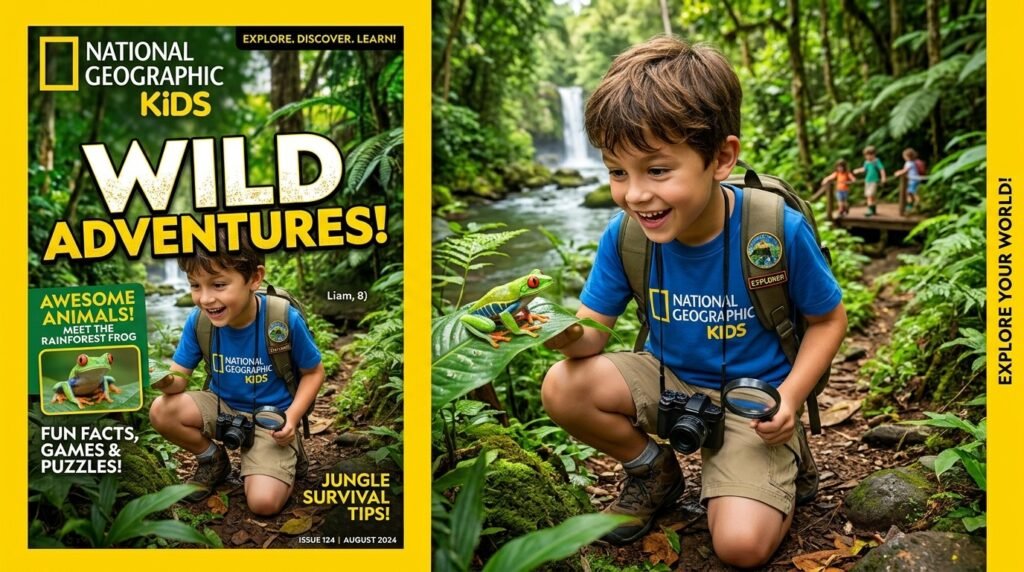
National Geographic Kids is a popular educational destination for children who want to discover more about animals, nature, science, geography, history, and the world around them. It makes learning exciting by combining interesting facts, colorful photography, educational articles, interactive games, quizzes, videos, and creative activities. Instead of presenting information in a complicated way, National Geographic Kids introduces important subjects through engaging and easy-to-understand content.
Children are naturally curious about the world. They ask questions about wild animals, dinosaurs, outer space, oceans, different countries, and unusual natural events. National Geographic Kids helps answer many of these questions through educational entertainment that encourages young readers to explore new subjects and develop their knowledge.
The platform is particularly useful for parents and teachers who want children to learn beyond traditional textbooks. It provides opportunities to explore wildlife, understand scientific discoveries, discover different cultures, and develop an interest in environmental protection.
Whether children are interested in animal facts, science experiments, geography quizzes, or fascinating discoveries, National Geographic Kids offers several ways to make education enjoyable. Its official website also features games, puzzles, personality quizzes, videos, and dedicated animal sections.
This guide explains what National Geographic Kids is, how its website works, what children can explore, the benefits of its educational resources, and how parents and teachers can use it to support learning.
What Is National Geographic Kids?
National Geographic Kids is an educational brand and online destination designed to introduce children to science, animals, nature, geography, history, and other subjects through entertaining educational content.
It is associated with National Geographic, a well-known organization recognized for its work in exploration, science, education, storytelling, and photography. National Geographic Kids adapts the wider organization’s educational approach for younger audiences.
The platform provides a mixture of digital content and magazine publications. Children can explore educational articles, animal profiles, interesting facts, games, quizzes, puzzles, and videos. These resources encourage children to ask questions, discover information, and develop a better understanding of the natural world.
One of the main characteristics of National Geographic Kids is its combination of education and entertainment. This approach is sometimes called edutainment because it makes learning enjoyable without removing its educational purpose.
The Purpose of National Geographic Kids
The main purpose of National Geographic Kids is to encourage curiosity and help children understand the world around them.
Its educational content introduces young readers to different subjects, including:
- Wildlife and animal behavior.
- Science and scientific discoveries.
- Earth, oceans, and natural environments.
- Geography and different countries.
- Space and astronomy.
- History and prehistoric creatures.
- Environmental awareness and conservation.
These subjects allow children to develop knowledge beyond their regular school lessons. For example, a child interested in elephants can explore their habitats, feeding habits, family structures, and conservation challenges.
Similarly, children interested in space can discover planets, stars, galaxies, and other astronomical subjects national geographic kids.
Who Can Use National Geographic Kids?
National Geographic Kids is mainly designed for children, but its resources can also be useful for parents, teachers, and families.
Children can use its educational content for independent exploration, while parents can introduce interesting subjects during family learning activities.
Teachers may also use relevant articles, photographs, facts, and activities as additional educational material.
The appropriate age depends on the particular product or publication. The current US National Geographic Kids magazine is promoted for ages 6–8, while National Geographic Little Kids is designed for ages 3–5. Digital content may appeal to a wider range of young readers, depending on reading ability and individual interests.
What Can Kids Explore on National Geographic Kids?
National Geographic Kids covers several educational subjects that introduce children to different aspects of the world.
Its content is designed to make complex subjects easier to understand through interesting information, photographs national geographic kids, and interactive experiences.
Amazing Animals and Wildlife
Animals are among the most interesting subjects for young learners. National Geographic Kids provides opportunities to discover different animal species, their habitats, physical characteristics, and behaviors.
Children can explore mammals, birds, reptiles, amphibians, fish, insects, and marine animals.
For example, they may discover how lions hunt, why giraffes have long necks, how dolphins communicate, and why polar bears are adapted to cold environments.
Animal education can also introduce important topics such as endangered species, wildlife conservation, biodiversity, and the protection of natural habitats.
Science and Nature
Science helps children understand how the world works. National Geographic Kids introduces scientific subjects through facts and educational content that encourage curiosity.
Children can explore topics such as:
- Weather and climate.
- Plants and ecosystems.
- Oceans and marine environments.
- Volcanoes and earthquakes.
- The human body.
- Natural resources.
- Scientific discoveries.
These subjects help young readers connect classroom learning with real-world examples.
Geography and Different Countries
Geography introduces children to the physical features, locations, people, national geographic kids and cultures of different parts of the world.
National Geographic Kids can help young readers explore continents, oceans, mountains, rivers, countries, and natural landmarks.
Children can develop an understanding of how people live in different environments and how geography influences communities.
Learning about world geography also encourages global awareness and respect for cultural differences.
Space and the Universe
Space is another fascinating subject for children. Young learners often have questions about planets, stars, astronauts, rockets, and the universe.
Educational content about astronomy can help children understand the solar system and the basic differences between planets, stars, moons, and other celestial objects.
They can also learn about space exploration national geographic kids and the scientific technology used to study objects beyond Earth.
History and Prehistoric Animals
History helps children understand how the world and human societies have changed over time.
Prehistoric animals are particularly interesting because they introduce young readers to creatures that lived millions of years ago.
Children can discover dinosaurs, fossils, ancient environments, and the scientific process used by researchers to study prehistoric life.
This type of content can also introduce basic ideas about evolution, geology, and archaeological discoveries.
National Geographic Kids Website: Main Features
The National Geographic Kids website is an important part of the brand’s educational experience.
Its official website provides different sections where children can explore games, quizzes, puzzles, videos, animal information, science, history, and other interesting subjects.
The website organizes its content into categories, making it easier for visitors to find information based on their interests national geographic kids.
Educational Articles and Fun Facts
Educational articles help children discover new information about subjects they may already find interesting.
Rather than focusing only on textbook-style explanations, the content introduces facts and discoveries through engaging topics.
For example, children interested in wildlife can learn about animal habitats, unusual adaptations, and different species.
The Weird But True section is another recognizable part of the National Geographic Kids experience. It introduces surprising facts about animals, science, people, and the natural world.
These short discoveries can encourage children to ask additional questions and investigate topics more deeply.
Animal Photos and Videos
Photography and videos make educational subjects easier to visualize.
Children can explore images of wild animals, marine creatures, birds, reptiles, and different natural environments.
Visual content can help young learners recognize species and understand physical differences between animals.
Videos can also introduce animal behavior and environmental subjects in a more engaging format.
Parents and teachers can use these materials as starting points for discussions about wildlife, biodiversity, and conservation.
Interactive Games and Quizzes
National Geographic Kids includes games and quizzes that make learning more interactive.
Children can test their knowledge, answer questions, solve challenges, and explore different activities.
The games section includes categories such as personality quizzes, general quizzes, action and adventure activities, funny fill-ins, and puzzles national geographic kids.
These activities can provide entertainment while encouraging children to think, remember information, and solve problems.
Puzzles and Brain-Training Activities
Puzzles encourage children to use logical thinking and observation skills.
Word games, matching activities, and other puzzles can introduce educational challenges in a playful format.
Children may need to recognize patterns, remember information, understand clues, or find solutions to different problems national geographic kids .
Such activities can complement traditional learning, although they should not replace reading, classroom instruction, or other educational experiences national geographic kids.
Weird But True Facts
Weird But True is a particularly interesting content concept for children who enjoy surprising discoveries.
The section introduces unusual facts about animals, science, nature, history, and everyday life.
For example, children may discover surprising animal adaptations, unusual natural phenomena, or interesting details about the planet.
Short facts are easy to share with friends and family, making them useful conversation starters.
National Geographic Kids Games
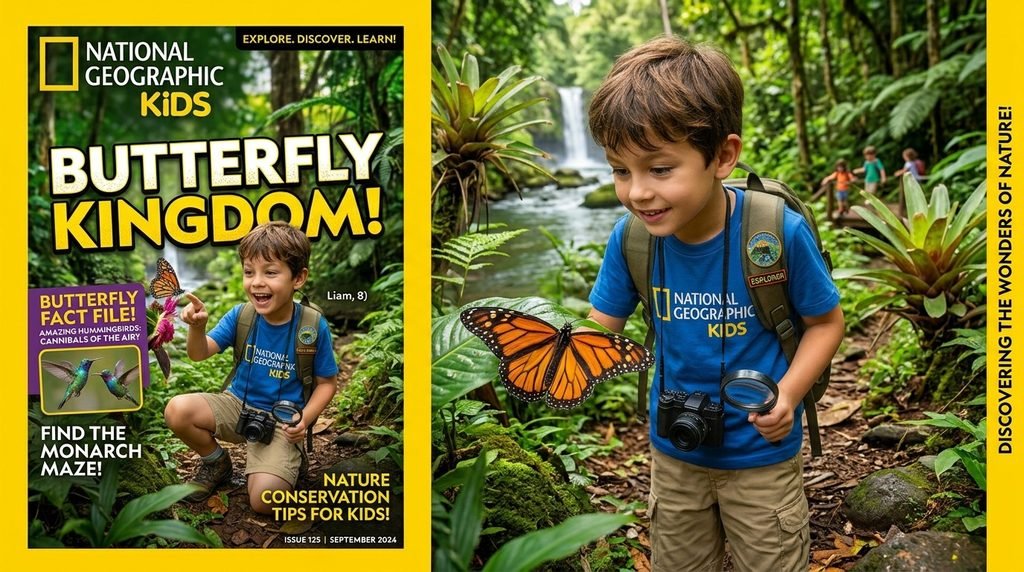
National Geographic Kids games provide an entertaining way for children to explore information and participate in interactive activities.
Games can help young learners stay interested in educational subjects because they encourage active participation instead of passive reading national geographic kids.
The website features different types of games and activities, allowing children to explore options based on their interests national geographic kids.
Educational Games for Children
Educational games combine entertainment with learning objectives.
Some activities encourage children to recognize objects, answer questions, remember facts, or complete challenges.
Games related to science and geography can introduce information that children may also encounter in school.
For example, a geography quiz can encourage children to recognize countries and locations, while an animal quiz can test their knowledge of wildlife.
Animal Games and Adventures
Animal-related games can be especially attractive to children who enjoy wildlife.
These activities may introduce animal species, natural environments, and interesting wildlife facts.
They can also encourage children to think about how different animals survive in their habitats.
For example, learning about camouflage can help children understand how certain creatures protect themselves from predators national geographic kids.
Quizzes and Personality Tests
Quizzes allow children to test their knowledge through questions and answers.
Personality quizzes provide another form of interactive entertainment by presenting questions and matching responses with different results.
Educational quizzes can cover animals, science, geography, and other subjects.
Parents can use quiz results as opportunities to discuss new information rather than treating every answer as a formal assessment.
Puzzles and Word Games
Puzzles encourage children to observe details and think carefully.
Word games can introduce new vocabulary, improve language familiarity, and encourage reading.
Other puzzle activities can help children practice logical thinking and problem-solving.
These activities are useful additions to a balanced learning routine.
How Games Help Kids Learn
Educational games can support learning in several ways national geographic kids.
First, they encourage active participation. Children need to read instructions, understand questions, and make decisions.
Second, games can provide immediate opportunities to recognize mistakes and try again.
Third, interactive activities can make unfamiliar subjects feel less intimidating.
However, screen-based games should be balanced with outdoor activities, reading, creative play, and physical exercise national geographic kids.
National Geographic Kids Animals
Animals are a central subject in the National Geographic Kids experience.
The animal kingdom includes an enormous variety of species, from tiny insects to enormous whales. Exploring this diversity can help children understand the importance of wildlife and the natural environments that support it.
Animal education can also encourage respect for living creatures and awareness of conservation challenges.
Mammals and Wild Animals
Mammals are animals that generally have hair or fur and feed their young with milk.
Children can explore familiar mammals such as elephants, lions, tigers, bears, monkeys, wolves, and dolphins.
Learning about mammals introduces interesting subjects such as feeding habits, social behavior, communication, and adaptation.
For example, elephants live in social family groups, while dolphins use different sounds and behaviors to communicate.
These examples help children understand that animals have different ways of surviving and interacting with their environments.
Birds and Marine Animals
Birds are found in nearly every type of environment, including forests, deserts, wetlands, mountains, and coastal regions.
Children can learn about feathers, beaks, wings, migration, and nesting behavior.
Marine animals offer another exciting area of exploration.
Whales, sharks, sea turtles, octopuses, dolphins, and colorful reef fish live in different ocean environments.
Studying marine animals can also introduce children to ocean ecosystems and the importance of protecting marine biodiversity.
Reptiles and Amphibians
Reptiles and amphibians are two different animal groups with interesting characteristics.
Reptiles include snakes, lizards, crocodiles, turtles, and tortoises.
Many reptiles have scales and are adapted to particular temperatures and environments.
Amphibians include frogs, toads, salamanders, and newts.
Many amphibians experience important changes during their life cycles. For example, frogs generally develop from eggs into tadpoles before becoming adults.
Learning about these animals helps children understand life cycles, adaptation, and biological diversity.
Dinosaurs and Prehistoric Creatures
Dinosaurs continue to capture children’s imagination.
These prehistoric animals lived millions of years ago, and scientists study their fossils to understand their appearance, movement, diets, and environments.
Children can discover well-known dinosaurs such as Tyrannosaurus rex, Triceratops, Stegosaurus, and Brachiosaurus.
They can also learn the difference between dinosaurs and other prehistoric reptiles.
Fossil discoveries are particularly interesting because they demonstrate how scientific evidence helps researchers reconstruct ancient ecosystems.
Interesting Animal Facts for Kids
Animal facts provide simple ways to introduce biological concepts.
Here are some examples:
- Octopuses have three hearts.
- Giraffes have extremely long necks that help them reach leaves high in trees.
- Blue whales are the largest animals known to have lived on Earth.
- Bats are mammals capable of true powered flight.
- Penguins are birds that are adapted for swimming rather than flying.
- Chameleons have specialized eyes that can move independently.
These facts can encourage children to explore animal biology in more detail.
National Geographic Kids Science and Nature
Science and nature education helps children understand the relationship between living organisms, physical environments, and natural processes.
National Geographic Kids introduces subjects that can make scientific ideas more approachable.
Fun Science Facts
Science facts introduce children to discoveries and explanations about everyday events.
For example, children can learn why rainbows appear, how magnets work, why some objects float, and how plants grow.
These questions connect science with experiences children can observe in their daily lives.
Understanding simple scientific concepts can also encourage experimentation and independent thinking.
Environmental Awareness
Environmental education introduces children to the importance of protecting the planet.
Topics may include pollution, recycling, deforestation, endangered species, habitat destruction, and climate change.
Children can learn that human activities affect natural environments and that responsible decisions can help reduce environmental damage.
For example, reducing unnecessary waste, saving water, and protecting trees are simple actions that introduce environmental responsibility.
Earth and Natural Wonders
Earth contains many remarkable natural features.
Mountains, rivers, forests, deserts, glaciers, volcanoes, and oceans all contribute to the planet’s physical diversity.
Children can explore how these features form and how living organisms adapt to different environments.
Natural wonders also provide opportunities to understand geology, geography, weather, and environmental systems.
Climate, Weather, and Ecosystems
Weather describes atmospheric conditions over short periods, while climate refers to long-term patterns in a particular region.
Children can learn about temperature, rainfall, wind, storms, seasons, and different climate zones.
Ecosystems introduce another important concept.
An ecosystem includes living organisms and the physical environment in which they interact.
Forests, deserts, coral reefs, grasslands, and wetlands are examples of different ecosystems.
Understanding these systems helps children recognize how plants, animals, water, soil, and climate are connected.
Simple Science Activities for Children
Parents and teachers can support science learning through safe activities.
Examples include:
- Observing how seeds germinate.
- Comparing how different materials absorb water.
- Recording daily weather conditions.
- Creating a simple water cycle demonstration.
- Observing insects and plants in a garden.
- Testing which household objects float or sink.
Children should complete activities involving heat, chemicals, sharp objects, or electrical equipment only with appropriate adult supervision.
National Geographic Kids Magazine
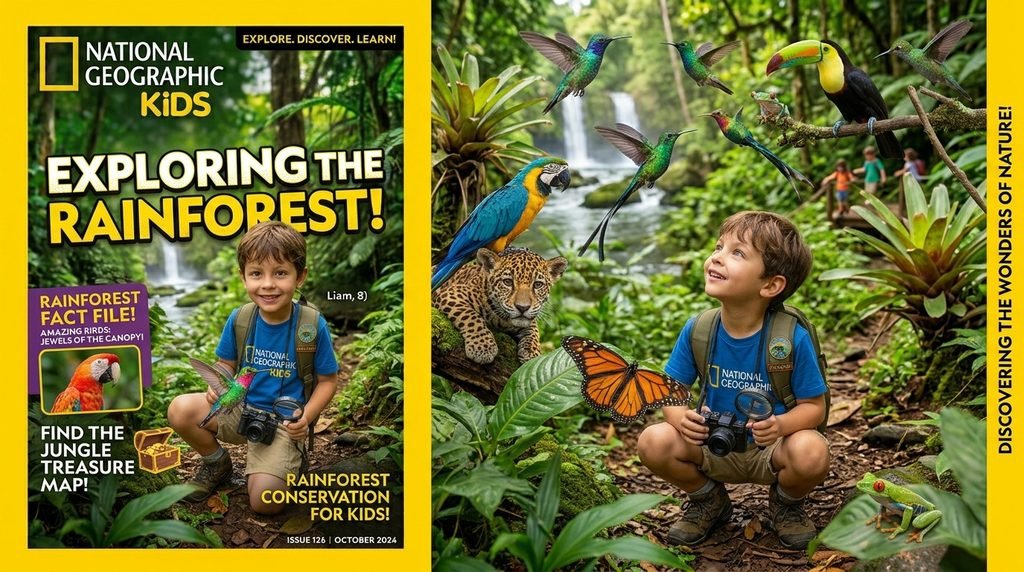
National Geographic Kids magazine is a print publication designed to make science, nature, wildlife, and discovery interesting for young readers.
The magazine uses colorful photography, engaging stories, fascinating facts, and educational activities to introduce children to different subjects.
It is part of the wider National Geographic Kids educational experience and provides a different format from the digital website.
What Is National Geographic Kids Magazine?
National Geographic Kids magazine introduces children to animals, nature, science, geography, history, and discoveries through illustrated articles and interesting features.
Its content is designed to encourage reading and curiosity.
Children can explore different animals, discover unusual facts, and learn about natural environments through photographs and accessible explanations.
The magazine may also include puzzles, activities, posters, and other features depending on the edition.
What Topics Are Covered in the Magazine?
Magazine topics can include:
- Amazing animals and wildlife.
- Science and technology.
- Nature and environmental discoveries.
- Space and astronomy.
- Historical subjects.
- Geography and world cultures.
- Fun facts and educational puzzles.
The combination of subjects provides opportunities for children to discover new interests.
A child who starts reading about an animal may become interested in biology, conservation, or geography.
National Geographic Kids Magazine Age Groups
National Geographic publishes different magazine products for different stages of childhood.
The current US magazine subscription information identifies National Geographic Kids for ages 6–8.
National Geographic Little Kids is designed for younger children aged 3–5.
The content, reading level, photographs, and activities differ according to the intended age group.
Parents should check the official subscription information for their country because magazine editions and age recommendations may vary by market.
Print Magazine vs. Digital Content
Print magazines and digital educational resources provide different learning experiences.
A print magazine gives children an opportunity to read physical pages, study photographs, and complete activities away from a screen.
Digital content provides interactive features such as games, quizzes, videos, and online articles.
Both formats can support learning when used appropriately.
Parents may choose one format or combine them according to a child’s interests, reading habits, and available resources.
How to Subscribe to National Geographic Kids Magazine
Parents interested in a magazine subscription can visit the official National Geographic subscription website.
The subscription process generally involves selecting the appropriate publication, reviewing available offers, providing delivery information, and completing payment.
Availability, subscription prices, delivery arrangements, and included issues can vary depending on the country.
International customers should check whether their location is supported before purchasing.
It is also important to review automatic renewal conditions and cancellation policies before completing a subscription.
Is National Geographic Kids Free to Use?
One common question is whether National Geographic Kids is free.
The answer depends on the particular content or product.
The official website provides online sections such as games, quizzes, articles, and animal information that visitors can explore. Some content can be accessed without purchasing a magazine subscription.
However, print magazines, book bundles, and certain subscription products require payment.
Therefore, National Geographic Kids should not be described as an entirely free service.
Free Educational Content
Children can explore different website sections without necessarily purchasing a magazine.
These may include educational articles, games, animal information, quizzes, and other digital resources.
The availability of individual features can change, so visitors should check the official website for current access requirements.
Paid Magazine Subscriptions
National Geographic Kids magazine subscriptions are separate from general website browsing.
Parents can review available subscription plans and choose a suitable publication.
Prices depend on the country, selected offer, and subscription package.
For example, the US subscription pages list different offers for National Geographic Kids and National Geographic Little Kids.
These prices should not be assumed to apply to customers in Pakistan or other international markets.
Premium Content and Subscription Options
Some educational brands offer different access levels for their digital and print products.
Before purchasing anything, parents should understand exactly what is included.
They should check the number of magazine issues, delivery arrangements, renewal conditions, and whether additional books or materials are included.
This helps families make informed decisions.
Benefits of National Geographic Kids for Children
Educational resources can support children’s development by introducing new subjects and encouraging independent exploration.
National Geographic Kids combines several types of educational content, which may help children develop different learning interests.
Improves General Knowledge
Children can discover information about animals, countries, scientific discoveries, history, and nature.
This broad exposure can improve their general knowledge and help them understand connections between different subjects.
For example, reading about rainforest animals may introduce geography, climate, biodiversity, and environmental conservation at the same time.
Encourages Curiosity and Creativity
Curiosity is an important part of learning.
When children discover unusual facts or explore unfamiliar subjects, they may become interested in asking more questions.
A child reading about the solar system may want to learn how planets move, while someone exploring marine animals may become interested in ocean conservation.
This curiosity can lead to additional reading, research, and creative activities.
Develops Reading and Research Skills
Educational articles introduce children to new vocabulary and different writing styles.
Reading about science, animals, and geography can help them practice understanding information and identifying important details.
Children can also learn to compare information from different sources.
Parents can encourage this process by asking children to explain what they have learned in their own words.
Promotes Environmental Awareness
Learning about wildlife and natural environments can help children understand why environmental protection matters.
They may discover how pollution, habitat destruction, and climate change affect ecosystems.
This knowledge can encourage responsible habits, such as reducing waste, saving water, and respecting animals.
Environmental awareness is valuable because children are future decision-makers who will influence how societies manage natural resources.
Supports Learning at Home and School
National Geographic Kids can complement traditional classroom education.
Teachers may use relevant topics to introduce discussions, reading exercises, or research assignments.
Parents can also explore subjects with their children during family learning activities.
The resources work best as additional educational material rather than a replacement for school lessons and structured teaching.
How Parents and Teachers Can Use National Geographic Kids
Parents and teachers can make educational content more useful by connecting it with practical learning activities.
Instead of allowing children to browse randomly, adults can introduce a topic and encourage them to explore it.
Learning Activities for Home
Parents can choose a subject based on a child’s interests.
For example, if a child enjoys animals, the family can explore different wildlife species and discuss their habitats.
If a child likes space, parents can introduce the planets and ask simple questions about the solar system.
Other activities include creating animal fact sheets, drawing maps, and maintaining a nature observation journal.
These activities encourage children to use information creatively.
Educational Resources for Classrooms
Teachers can use educational articles and photographs as supporting materials for classroom lessons.
For example, a science lesson about ecosystems can include information about forests, oceans, and deserts.
A geography lesson can introduce different continents, countries, and natural landmarks.
Teachers can also encourage students to prepare short presentations based on topics they explore.
This approach can make lessons more engaging while supporting independent learning.
Using Games and Quizzes for Learning
Games and quizzes can be included as short learning activities.
Teachers may use questions to review previously introduced information.
Parents can also play educational quizzes with children and discuss why certain answers are correct.
The purpose should be learning and exploration rather than competition alone.
Exploring Animals and Geography Together
Animal studies provide an excellent opportunity to connect different subjects.
For example, learning about polar bears can introduce Arctic geography, cold climates, food chains, and environmental change.
Similarly, exploring elephants can introduce African and Asian habitats, animal behavior, and conservation.
These connections help children understand that different subjects are related.
How to Access National Geographic Kids
Accessing National Geographic Kids is straightforward for families with an internet connection.
The official website provides different categories that help visitors find relevant educational material.
Visiting the Official Website
Children and parents can visit the official National Geographic Kids website at:
The website includes navigation sections for games, quizzes, puzzles, videos, animals, and other educational topics.
Visitors should make sure they are using the official domain when exploring the platform.
Exploring Different Categories
After opening the website, visitors can explore its available sections.
For example, children interested in wildlife can visit the animal categories.
Those who enjoy interactive activities can explore games, quizzes, and puzzles.
Readers interested in scientific subjects can look for science, history, and space-related content.
Exploring categories makes it easier to find information without searching randomly.
Finding Games, Videos, and Articles
The website provides different content formats for different learning preferences.
Some children prefer reading articles, while others enjoy watching videos or completing quizzes.
Parents can help younger readers choose suitable material.
Teachers may also select specific pages or subjects before introducing them in a classroom.
Tips for a Better Learning Experience
Families can make online learning more effective by following a few simple practices:
- Choose an educational topic before browsing.
- Read articles carefully instead of only looking at photographs.
- Discuss interesting facts with parents or teachers.
- Use quizzes to review newly learned information.
- Take breaks during screen-based activities.
- Explore related subjects through books and outdoor activities.
- Check that the content is appropriate for the child’s age.
These practices help children use digital educational resources responsibly.
National Geographic Kids vs. Other Educational Websites
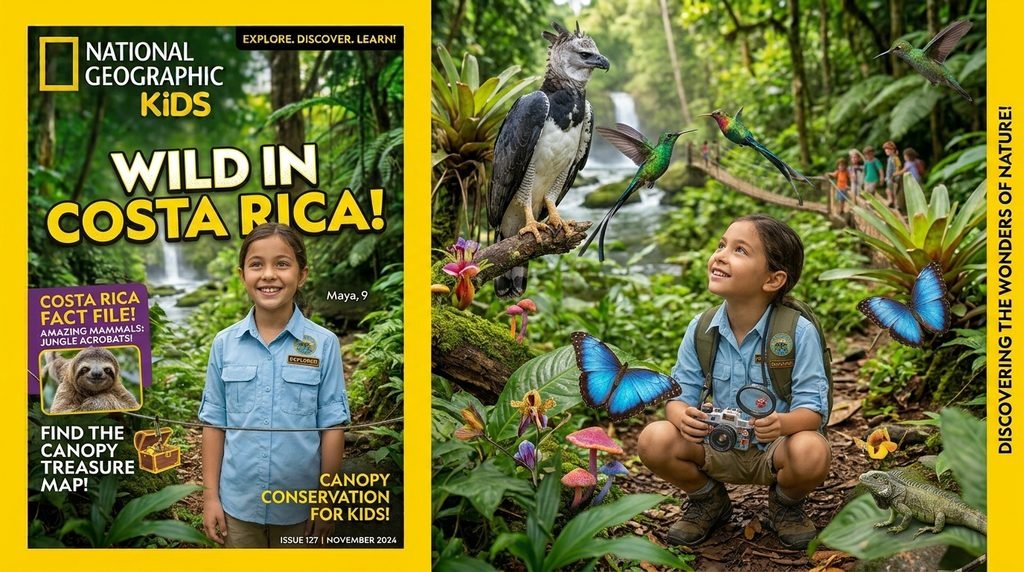
Several educational websites provide resources for children.
Although they may cover similar subjects, their content, teaching approaches, and audiences can be different.
National Geographic Kids vs. PBS Kids
PBS Kids is known for educational games, videos, and learning resources connected with children’s television programming.
Its content often focuses on early learning, literacy, mathematics, creativity, and problem-solving.
National Geographic Kids has a stronger emphasis on animals, wildlife, science, nature, geography, and exploration.
Both platforms can support children’s learning, but their subject focus is different.
National Geographic Kids vs. BBC Bitesize
BBC Bitesize provides educational resources designed to support school learning.
Its materials cover subjects such as mathematics, English, science, history, and other curriculum-related topics.
National Geographic Kids generally presents information through exploration, interesting facts, wildlife photography, and interactive entertainment.
BBC Bitesize may be particularly useful for structured school revision, while National Geographic Kids can encourage broader curiosity about the natural world.
What Makes National Geographic Kids Different?
Its recognizable combination of nature photography, wildlife information, scientific discoveries, and interactive content gives it a distinctive educational identity.
Children can move between different subjects without limiting their learning to one school topic.
Its focus on exploration also makes it suitable for introducing children to unfamiliar places, species, and scientific ideas.
However, the best educational website depends on a child’s age, interests, learning needs, and the type of information they want to explore.
Is National Geographic Kids Safe for Children?
Online safety is an important consideration whenever children use digital platforms.
Parents should guide younger children when they browse websites, watch videos, or participate in online activities.
National Geographic Kids is an educational destination, but parents should still review its content and make decisions based on their child’s age and maturity.
Educational Value and Age Suitability
Different children have different reading abilities and interests.
Parents should choose content that matches their child’s development and understanding.
Younger children may need help understanding longer articles or unfamiliar scientific terms.
Older children may enjoy more detailed information about wildlife, geography, and scientific discoveries.
Parental Guidance and Online Safety
Parents can support safe browsing by:
- Supervising younger children during online activities.
- Checking the content before allowing children to explore it independently.
- Using appropriate browser and device safety settings.
- Avoiding unnecessary sharing of personal information.
- Explaining how advertisements and external links work.
- Setting reasonable screen-time limits.
These steps can help children develop responsible digital habits.
Tips for Safe Internet Browsing
Children should understand that they should never share private information online without parental permission.
They should also avoid clicking unfamiliar links or downloading unknown files.
Parents can explain how to recognize suspicious messages and why personal details should remain private.
A balanced approach allows children to benefit from digital education while developing good online safety habits.
National Geographic Kids for Different Learning Styles
Children do not all learn in the same way.
Some enjoy reading, while others prefer pictures, videos, activities, or practical experiments.
National Geographic Kids offers different content formats that may appeal to these preferences.
Learning Through Reading
Articles and magazine stories can help children develop reading habits and learn new vocabulary.
Reading about animals, science, and geography also introduces children to different writing styles and factual information.
Learning Through Visual Content
Photographs and videos can make unfamiliar subjects easier to understand.
For example, seeing a whale in its natural environment can help a child visualize its size and movement more effectively than reading a short description alone.
Visual materials can also introduce different landscapes and animal habitats.
Learning Through Interactive Activities
Games, puzzles, and quizzes encourage active participation.
Children can use these activities to test their understanding and explore information in an enjoyable way.
Interactive experiences can also encourage them to revisit subjects they find interesting.
Learning Through Practical Exploration
Online information becomes more meaningful when children connect it with real-world experiences.
For example, after learning about plants, children can observe leaves in a garden.
After studying weather, they can record temperature and rainfall.
These simple activities connect digital learning with observation and discovery.
National Geographic Kids and Environmental Conservation
Environmental conservation is an important subject for younger generations.
Children who understand natural ecosystems may develop a stronger appreciation for wildlife and the environment.
National Geographic Kids introduces subjects that can help young readers understand environmental challenges.
Understanding Endangered Species
An endangered species is a species facing a serious risk of extinction.
Habitat destruction, pollution, climate change, illegal hunting, and other pressures can threaten wildlife populations.
Children can learn about endangered animals and why conservation programs are important.
Protecting Natural Habitats
Natural habitats provide food, shelter, and suitable living conditions for animals and plants.
Forests, wetlands, grasslands, coral reefs, and oceans support different ecosystems.
When habitats are damaged, the species depending on them may also be affected.
Understanding this connection helps children recognize why habitat protection matters.
Small Actions That Help the Environment
Children and families can develop environmentally responsible habits.
Examples include:
- Turning off unnecessary lights.
- Saving water.
- Reusing suitable materials.
- Reducing single-use plastic.
- Keeping parks and public spaces clean.
- Respecting wildlife.
- Planting suitable native plants.
Small actions may seem simple, but they can introduce important environmental values.
Why Parents Should Encourage Curiosity About the Natural World
Children often learn more effectively when they are interested in a subject.
Encouraging curiosity allows them to explore information independently and develop questions about unfamiliar topics.
A child interested in sharks may eventually discover marine biology, ocean ecosystems, and conservation.
Another child fascinated by planets may become interested in astronomy and space exploration.
Parents can encourage these interests by discussing discoveries, providing suitable books, and supporting creative activities.
National Geographic Kids can serve as one starting point for these learning experiences.
The goal is not simply to memorize facts but to help children understand how the world works and why different subjects matter.
Frequently Asked Questions About National Geographic Kids
1. What Is National Geographic Kids?
National Geographic Kids is an educational brand and online platform that introduces children to animals, science, nature, geography, history, and other subjects. It provides articles, photographs, games, quizzes, videos, and magazine publications designed to make learning enjoyable.
2. Is National Geographic Kids Free?
Many sections of the National Geographic Kids website can be explored without purchasing a magazine subscription. However, print magazines, book bundles, and certain subscription products require payment. Availability may depend on the country and specific product.
3. What Age Group Is National Geographic Kids For?
The appropriate age depends on the product. The current US National Geographic Kids magazine is designed for ages 6–8, while National Geographic Little Kids is intended for ages 3–5. Digital content may appeal to a wider range of children.
4. Can Kids Play Games on National Geographic Kids?
Yes. The official website has a games section that includes quizzes, personality quizzes, action and adventure activities, funny fill-ins, and puzzles. Children can explore available activities through the official website.
5. Does National Geographic Kids Have Animal Videos?
The platform includes video content and animal-related educational material. Children can explore wildlife subjects and learn about different species, their habitats, and their behavior.
6. Is National Geographic Kids a Magazine or a Website?
It is both a digital educational destination and a magazine brand. The website provides online articles, games, quizzes, videos, and animal information, while the magazine offers printed educational stories, facts, photographs, and activities.
7. How Can National Geographic Kids Help Students?
It can support students by introducing information about science, geography, animals, history, and environmental subjects. Its articles, photographs, and interactive activities can complement classroom learning and encourage independent research.
8. What Can Children Learn From National Geographic Kids?
Children can explore wildlife, animal habitats, ecosystems, geography, astronomy, scientific discoveries, history, and environmental conservation. The platform encourages curiosity and provides different ways to discover new information.
9. Is National Geographic Kids Suitable for Classroom Learning?
Yes. Teachers can use relevant articles, photographs, and educational topics as additional classroom resources. These materials may support discussions, research assignments, presentations, and subject-based activities.
10. Can Parents Use National Geographic Kids at Home?
Yes. Parents can explore educational topics with their children, read articles together, complete quizzes, discuss animal facts, and create practical learning activities based on information they discover.
11. What Is the Difference Between National Geographic Kids and National Geographic Little Kids?
National Geographic Kids is designed for older young readers, while National Geographic Little Kids is intended for younger children. The US magazine products currently identify ages 6–8 for National Geographic Kids and ages 3–5 for Little Kids.
12. Does National Geographic Kids Teach Science?
Yes. Science-related content can introduce subjects such as animals, ecosystems, weather, space, natural phenomena, and scientific discoveries. Children can explore these topics through educational articles and other available resources.
13. Can Children Learn Geography Through National Geographic Kids?
Yes. Geography-related subjects can introduce continents, countries, oceans, mountains, natural landmarks, and different environments. This can help children develop a better understanding of the world.
14. Is National Geographic Kids Available Internationally?
The website can be accessed online from many countries, subject to normal internet availability and regional restrictions. Magazine subscriptions and delivery options may have different availability depending on the destination.
15. Where Can I Find the Official National Geographic Kids Website?
The official website is https://kids.nationalgeographic.com/. Visitors can explore available games, quizzes, puzzles, videos, animal information, and educational content.
Conclusion: Why National Geographic Kids Is Worth Exploring
National Geographic Kids offers an engaging way for children to discover animals, science, geography, nature, history, and the wider world. By combining educational articles, photography, games, quizzes, videos, and magazine publications, it creates opportunities for young readers to explore subjects beyond traditional classroom lessons.
Its focus on wildlife and scientific discovery can encourage children to ask questions, develop general knowledge, and become more interested in environmental conservation.
Parents can use its resources to introduce new topics at home, while teachers can select relevant materials to support classroom discussions and educational activities. Children can also explore different subjects independently, depending on their age and reading ability.
Although online resources should be balanced with books, outdoor activities, and traditional learning, National Geographic Kids can be a useful addition to a child’s educational experience.
For families looking for engaging ways to introduce science, animals, nature, and geography, National Geographic Kids is a valuable destination to explore. It reminds young learners that education is not limited to classrooms and that the world itself is full of fascinating discoveries national geographic kids.
you may also read
Pakistan National Cricket Team vs United States National Cricket Team Match Scorecard